Designing Role-Based HR Solutions That Truly Fit Real-World Needs
I led the design of Mitra Komtim, a brand-new internal HRIS app tailored for Komerce’s four employee roles—solving adoption issues by delivering a personalized experience, from research to hi-fi design.
📌 Overview
Mitra Komtim is a new internal HRIS mobile application built for Komerce employees to handle core HR tasks such as attendance tracking, leave management, and holiday notifications.
The previous app was shut down due to poor adoption, cluttered menus, and a lack of role-based personalization. Instead of reviving it, we designed and built a completely new app based on real user needs.
👤 My Role: Product Designer (End-to-End)
As the sole Product Designer, I led the product development process from discovery to delivery:
🧠 User Research (interviews & synthesis)
🔧 Information Architecture
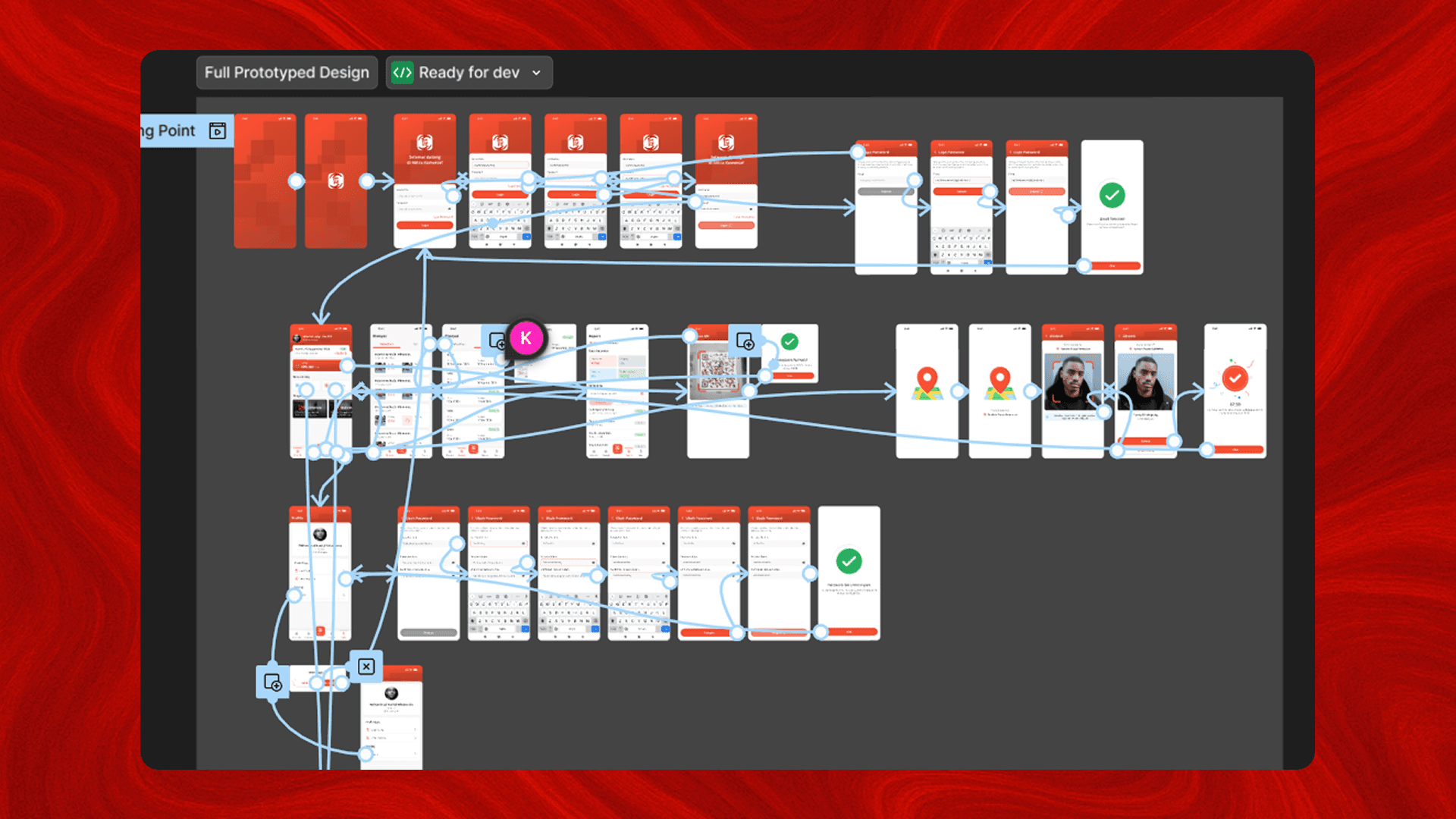
🌀 User Flow Mapping
✍️ Wireframing
🎨 High-Fidelity UI Design
🤝 Collaborated with PM and Mobile Engineers
🧠 Empathize – Understanding Real Needs
🎯 Objective
To ensure the new app is genuinely useful, I conducted a deep-dive user research to understand daily workflows, frustrations, and goals.
🎙 Method
User Interviews with 8 users representing 4 different roles
Tools: Google Meet, Notion
Duration: 30–45 minutes each
👥 Interviewed User Roles
RoleMain ResponsibilitiesManagementReviewing attendance & strategic reportingAdminValidating data, exporting reports, HR operationsTalentClocking in/out, submitting leaveTalent LeadMonitoring team presence, approving leave
💡 Key Insights
Previous App Had Poor Adoption
The old app was abandoned due to poor UX, unclear functions, and irrelevant menus.
Same Experience for All Roles
All users saw the same menus regardless of role — confusing and overwhelming.
Lack of Role Personalization
Each role has unique needs, but the previous solution treated everyone equally.
Underused Features, Overloaded Interface
Users only needed 2–3 core features but had to sift through many menus.
No Clear Feedback Loop
Actions like “leave requests” had unclear status or next steps.
🔍 Problem Statement
"Komerce employees need a simple, personalized HRIS tool tailored to their role — not a one-size-fits-all solution."
🎯 Design Goals
✅ Build a simple, clean, and mobile-first HRIS solution
🎯 Deliver a role-based experience — only show what each role needs
🔄 Streamline key flows like attendance, leave requests, and approvals
📈 Improve clarity, trust, and efficiency in HR-related tasks
🗺 Information Architecture
We structured the app around role-based access, giving each type of user only what they needed:
RoleKey FeaturesTalentClock In/Out, Leave Request, History, Holiday InfoTalent LeadTeam Attendance, Leave ApprovalsAdminHR Dashboard, Data Validation, Export ReportsManagementSummary Reports, Team Insights, Top-Level Approval
🔄 User Flow Samples
Talent: Clock in → See status → Request leave
Talent Lead: View team → Review leave → Approve/Reject
Admin: Verify data → Export reports
Management: Read reports → Make decisions
All flows were mapped in FigJam and iterated based on feedback.
✍️ Wireframes & Visual Design
Wireframes: Lo-fi exploration in Figma
Design System: Built scalable components based on Komerce branding
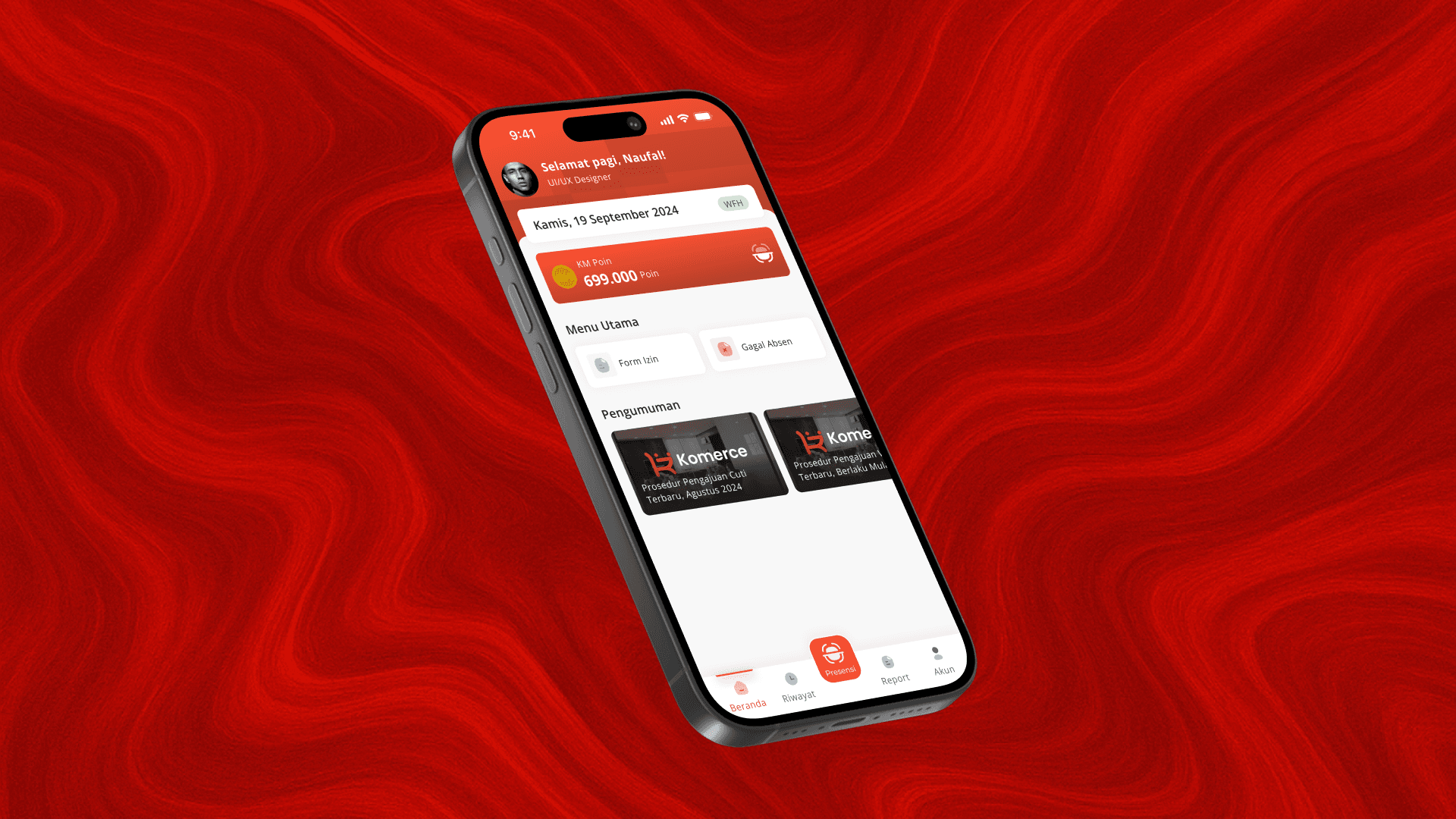
Final UI: Clean, minimal, functional with quick access to most-used actions
📱 Mobile-First Interface
We designed mobile-first since this app is used daily by field & remote teams who need quick interactions.
🧑🤝🧑 Collaboration
Worked closely with:
PM – Hersa Ajeng P
Mobile Engineer – Nunu Nugraha
Design Team– Erlan Candra H, Naufal Wibawanto, Agil Juwita
✅ Results
📉 Eliminated all unused features from the previous app
🧭 Clear separation of access per role
⚡ Faster interaction — attendance & leave flows completed in <2 steps
📱 High adoption — early usage shows improved engagement and positive feedback from all roles
🎓 Takeaways
Sometimes, it’s better to start from scratch than redesign something broken
Role-based UX is crucial in HRIS and internal tools
Early and continuous collaboration with stakeholders ensures better results
A well-structured, minimalist interface can dramatically improve daily workflows